Most people pick where they live for a job, a school district or the weather. Then a hurricane flattens the coast, a tornado tears through the subdivision, or a city of two million runs out of water in three days, and they find out the hard way that where you live decides how bad a crisis gets.
You can do everything right, with a full pantry, stored water and a plan, and still lose it all because you set up in the wrong place. Flood plains, tornado corridors, wildfire country and crowded metro areas can undo years of preparation in a single afternoon.
No place in America is perfectly safe. But some states give a prepper a much better hand to play than others. Before we get to three that stand out, let’s look at what actually makes a state a good place to ride out hard times.
What Makes a State Prepper-Friendly
When you size up a state, or a county within one, check it against these six things:
- Low population density: fewer people means less competition for supplies, less crime when the stores empty and fewer folks heading your way when the cities fail.
- Natural resources: reliable water, soil that grows food, timber for heat, and game and fish nearby.
- Defensible terrain: you’re not building a castle, but hills, forest and distance from major highways give you privacy and time.
- A climate you can work with: brutal extremes kill gardens and burn through fuel. A moderate or predictable climate is easier to plan around.
- Reasonable gun laws: protecting your family and putting meat on the table shouldn’t take a lawyer. These laws differ a lot from state to state and change often, so always check the current rules.
- A stable natural environment: you can’t build long-term when you’re rebuilding after storms, floods or fires every few years.
Don’t stop at the state. Look at the county too. A rural county two hours from a big city can be a world apart from the suburbs of that same city, even under the same state laws.
Vermont: Small, Quiet and Self-Reliant
Vermont isn’t the first state most preppers think of, but it has a lot going for it. It has one of the smallest populations in the country, about 650,000 people, spread across mountains, farms and small towns. In a breakdown, there’s no giant city next door sending millions of hungry people down the highway.
The strengths:
- Water everywhere: rivers, lakes, streams and springs, plus regular rain and snow. A family with a well and a filter has little to worry about.
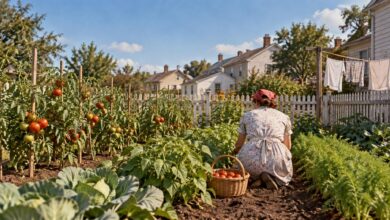
- Good soil: the growing season is short, but the ground grows potatoes, carrots, cabbage, beans and greens with ease, and plenty of folks still put up their harvest.
- Wood heat is normal: many homes already heat with wood, and firewood is easy to get.
- A self-reliant culture: Vermonters hunt, fish, garden, tap maple trees and fix their own things. Neighbors who know how to do for themselves are a real asset when times get hard.
The weak spots: the winters are long and bitter, so you need a serious heating plan, a stack of firewood and food stored for months. Vermont’s gun laws have also tightened since 2018, with magazine limits, universal background checks and a waiting period on handgun purchases, so read up on the current rules before you move. And in July 2023, heavy rain flooded Montpelier and towns across the state, a reminder that even “safe” places have river valleys you should avoid.
Bottom line: if you can handle the cold and pick high ground away from the rivers, Vermont is a quiet, resource-rich place to be self-reliant.
Oregon: Water, Land and Room to Breathe
Oregon gets a bad rap for rain, but for a prepper, rain is water security. The western valleys stay green almost all year, and the Willamette Valley has some of the richest farmland in the country.
The strengths:
- Water: rivers, lakes, springs and steady rainfall in the west. Rain catchment is easy, and drought rarely touches the wet side of the Cascades.
- Growing food: a long, mild growing season west of the mountains means gardens, orchards and livestock thrive.
- Hunting and fishing: elk, deer, salmon and trout, with huge stretches of public land and forest.
- Room to spread out: outside Portland, Salem and Eugene, much of the state is small towns, ranches and timber country.
The weak spots: Oregon sits on the Cascadia Subduction Zone, a fault offshore that scientists say can produce a magnitude 9 earthquake and a tsunami along the coast. Wildfires and heavy smoke have become regular in summer, especially east of the Cascades and in the southern part of the state. And gun laws are a moving target: a 2022 ballot measure tried to add a permit to purchase and magazine limits, and it has been fought in court ever since. The rules can be very different in Portland than in rural counties, so check them carefully.
What to do: if you choose Oregon, stay away from the coast’s tsunami zone, secure your water heater and shelves for earthquakes, keep at least two weeks of supplies, and have a plan for smoke season, including N95 masks and a way to filter the air in one room.
Bottom line: for water, food and wild land, Oregon is hard to beat, as long as you’re prepared for the big quake and the fire season.
Utah: Independence Built Into the Culture
Utah may be the most prepared state in the country, and not by accident. Many families there keep a year’s worth of food and supplies as part of their faith, which means you’ll find canneries, food storage stores and neighbors who understand exactly what you’re doing.
The strengths:
- A culture of preparedness: long-term food storage is common, and many communities have their own emergency plans.
- Dry air: low humidity is a gift for food storage. Grains, beans and canned goods last longer, and pests and mold are less of a problem.
- Gun laws: Utah allows permitless carry for adults, and hunting is a way of life.
- Space: big stretches of open land, mountains and remote valleys where a homestead can stay out of sight.
The weak spots: water is the big one. Utah is the second-driest state in the country, the Great Salt Lake has been shrinking for years, and drought hits hard. The Wasatch Fault runs right under the Salt Lake City and Provo corridor, where most of the population lives. Summers are hot in the valleys and winters are snowy up high.
What to do: if you pick Utah, make water your first priority: store it, catch it where it’s legal, and learn your water rights before buying land. Settle away from the fault line and the big valley cities if you can.
Bottom line: if you plan for water, Utah gives you room, freedom and neighbors who already think like preppers.
What to Check Before You Move Anywhere
A good state can still hide a bad property. Before you buy, look up:
- FEMA flood maps for the exact address.
- Wildfire risk maps and how close the nearest forest or brush is.
- The water source: a well’s depth and flow, or the town’s water supply and how old the system is.
- Distance from the nearest city and interstate: close enough to work, far enough to stay out of the stream of people leaving when things go wrong.
- Your neighbors: talk to them. A road full of farmers, hunters and handy people is worth more than any feature on the listing.
Don’t Wait for the Perfect Place
Most of us can’t just pack up and move. Jobs, family and money keep us where we are, and that’s fine. The truth is that the safest place is usually the home you’ve already prepared, with water stored, food on the shelves, a way to stay warm and a plan your family knows by heart. A prepared family in a “bad” state will do better than an unprepared one in the best.
A former Navy SEAL put that kind of plan into a book on staying home when everything goes wrong: how to make your house a harder target than the one next door, and how to keep your family fed, warm and quiet while the neighborhood panics. You don’t have to decide anything right now. But if you’re curious, you can see a preview of the bug-in guide here.

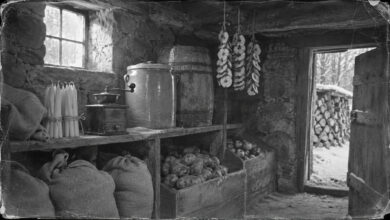
And if a move to the country is in your future, the pioneers who settled these states left behind skills worth learning first. One collection gathers the old frontier skills that kept families alive with no store in sight, from food storage to clean water.

Final Thoughts
Vermont gives you quiet and water. Oregon gives you land, food and wild country. Utah gives you room and neighbors who already store food. Each has a weak spot you have to plan around: cold, earthquakes, fire or drought. There’s no perfect place, only places that are easier to prepare, and the families that know their risks and plan for them are the ones still standing when the dust settles.