It was an ordinary weeknight when the sirens started. The TV switched to the weather map, a red box covered our county, and the man on the screen said a tornado was on the ground and moving our way. I had maybe ten minutes. I remember standing in the kitchen with my heart pounding, trying to think of what to grab first.
In a real emergency, you don’t rise to the occasion. You fall back on whatever you set up ahead of time. The families who come through it in one piece are rarely the ones with the most gear. They’re the ones who knew exactly what to grab and where it was.
That night I got lucky. I had a bag by the basement door with water, a flashlight, a radio and our medicine, and it was enough. Since then, I’ve thought a lot about what really matters when the clock is running. This is the short list, and how to keep it ready.
The Essentials to Grab First
1. Water
You can only last about three days without water, and much less in heat or under stress. The tap water may stop or be unsafe after a storm, a flood or a boil-water order.
What to grab: your stored water, at least a gallon per person per day, and a water filter or purification tablets. If you have a few minutes of warning, fill pots, jugs and the bathtub. Use tub water for flushing toilets and washing unless the tub was scrubbed clean and you treat the water before drinking it.
2. Medicine and First Aid
Prescriptions are the item people regret forgetting most. Running out of heart, blood pressure, seizure or diabetes medication can turn a scary night into a deadly week.
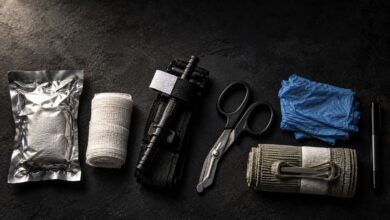
What to grab: every prescription in the house, a first aid kit with bandages, antiseptic, pain relievers and antihistamines, and any medical devices like glasses, hearing aids and inhalers. Keep at least a week of each prescription in your emergency bag, and refill as early as your insurance allows.
3. Food That Needs No Cooking
You won’t starve in a day, but you’ll need energy to think and work.
What to grab: protein bars, peanut butter, nuts, jerky, crackers and cans with pull-tab lids, plus a manual can opener. Focus on calories you can eat cold and on the move.
4. Warmth and Shelter
Getting cold and wet can kill faster than most people expect, and a storm can leave you without heat or a roof.
What to grab: blankets or sleeping bags, emergency space blankets, a rain jacket and a change of warm clothes for each person, including socks and sturdy shoes.
5. Light, Information and Power
What to grab: a flashlight or headlamp for each person, spare batteries, a battery or hand-crank radio for news, and a charged power bank for your phone.
6. Papers and Cash
What to grab: IDs, insurance policies, medical information and important phone numbers in a waterproof bag, plus cash in small bills. When the power’s out, card readers and ATMs don’t work.
Keep It Ready Before You Need It
Have a grab-and-go bag for every person, stored by the door, in the basement or in the car. A bag that’s ready can be in your hand in seconds; a list in your head takes twenty minutes in a panic.
Know your priorities for each disaster:
- Tornado: shelter first. Get to the basement or an interior room on the lowest floor, away from windows, and cover your head. Grab the bag only if it’s on the way.
- Wildfire or flood evacuation: leave early, with water, medicine, papers and the bag.
- Power outage: light, warmth, food and a safe way to cook, never a grill or generator indoors.
- Winter storm: warmth, water and food to stay put for days.
Label everything. Use clear bins with big labels like “Water,” “First Aid” and “Batteries,” so anyone in the family can find what they need in the dark.
Practice once or twice a year. Walk through the plan with your family. Time how long it takes to get everyone and the bags out the door or down to the basement.
For a tornado that catches you away from home, our guide on surviving a tornado while camping covers where to go when there’s no building in sight.
Mistakes That Cost Families Precious Minutes
- Overpacking: a bag too heavy to carry slows you down and wears you out. Stick to the essentials.
- Forgetting the small things: glasses, phone chargers, prescriptions, house keys, a spare car key, baby supplies and pet food.
- Stale supplies: expired medicine, dead batteries and food from five years ago.
- Putting it off: waiting until the forecast turns bad means fighting crowds for the last case of water.
- No meeting place: if the phones are down and you’re separated, everyone needs to know where to go.
If You’re Caught Short
Even prepared people get caught without something. If a storm is coming and you’re missing the basics, move fast and stay smart:
- Go early, and go small. Gas stations, pharmacies and small-town stores often have water, batteries and food after the big-box stores are packed or empty.
- Buy only what matters: water, batteries, medicine and food you can eat without cooking.
- Stay away from crowds and arguments. No pack of batteries is worth a fight in a parking lot.
- Lean on your neighbors. Trading a few cans of food for batteries, or water for a ride to the pharmacy, helps everybody. Get to know the people on your street now, before you need them.
- Look outside. A surprising amount of water and food can come from your own yard. Our guide on the hidden survival resources in your backyard shows what to look for.
Most of all, stay calm. Panic burns minutes. Stop for ten seconds, think through what you need, and move.
Building Past the First Few Days
A grab bag gets you through the first night or the first 72 hours. But some emergencies, like a long blackout, a winter storm that shuts down the roads, or a supply chain mess that empties the shelves, drag on for weeks.
Mark Anderson lays out how to go from a few days of supplies to a 100-day stockpile in about 10 days, without spending a fortune or filling the house with food nobody eats. And if it turns out not to be for you, you have 60 days to send it back for a refund. You can look over the 10-day plan here.

A Lesson From a Winter Night
A few years after that tornado, an ice storm took down the power lines in our neighborhood. The house got colder by the hour, and by midnight it was in the 40s. I didn’t have much, but I had what mattered: blankets, a flashlight, a battery radio and a charged power bank. We pulled the mattresses into the living room, closed the doors to the other rooms and waited it out until the lights came back two days later.
That night taught me that you don’t need a bunker. A small kit, ready ahead of time, does more than a big plan you never got around to.
If the shelves ever go empty for longer than a few days, the old ways matter even more, and the 75 everyday items worth more than gold in a crisis are worth knowing about now.
Put the bag together, show your family where it is, and check it twice a year. The next siren could go off sooner than you think.