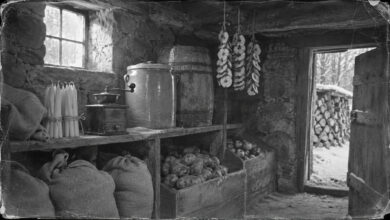
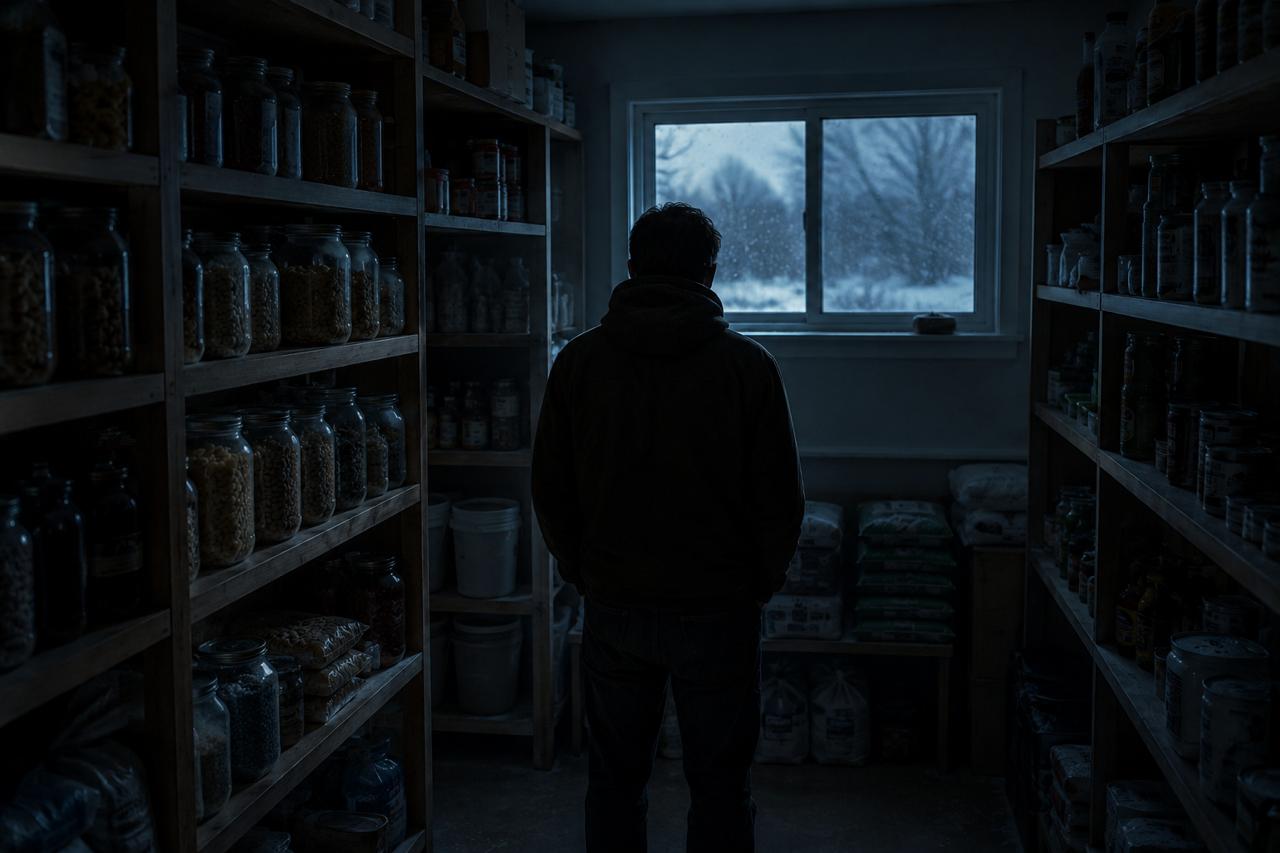
My grandfather used to say the safest place in a storm was a farmhouse with a root cellar and a full woodpile. He never trusted cities. Too many people, he said, and every one of them depending on somebody else for water, heat and food.
He was right about one thing: when a natural disaster hits a city, it hits millions of people at once, and the systems everyone depends on fail together. Power goes down across whole districts. Roads flood or fill with debris. Stores empty in a day, and emergency crews are stretched so thin that a 911 call can go unanswered for hours.
You can’t stop a tornado, a flood or an earthquake. You can decide, today, exactly what your family will do when one comes, and that decision is the difference between riding it out and being caught in it.
First, Know What Your City Faces
Every city has its own set of risks. A family in Oklahoma City prepares for tornadoes, one in Houston for floods and hurricanes, one in Los Angeles for earthquakes and wildfire smoke. Preparing for the wrong disaster is almost as bad as not preparing at all.
What to do:
- Look up your address on FEMA’s flood map (the FEMA Flood Map Service Center) to see if you’re in a flood zone.
- Sign up for your city’s emergency alerts, and make sure Wireless Emergency Alerts are switched on in your phone’s settings.
- Learn where your local shelters and evacuation routes are, before you need them.
- Check your insurance. Most homeowners and renters policies don’t cover flood damage. That takes a separate flood policy.
Tornadoes: Minutes, Not Hours
A tornado can go from warning to impact in minutes, and city buildings offer less protection than people think. Glass, signs and debris become missiles.
Before: pick your shelter spot now. A basement is best. If you don’t have one, use an interior room on the lowest floor with no windows, like a bathroom, closet or hallway. Keep shoes, a flashlight and a helmet or bike helmet there. Bring in or tie down anything outside that the wind can throw.
During: go to your shelter as soon as a warning is issued. Get under something sturdy and cover your head and neck. If you’re in a car or a mobile home, get to a solid building if you possibly can. Mobile homes aren’t safe in a tornado.

Floods: The Disaster That Kills in Cars
Concrete and asphalt don’t soak up water, so cities flood fast. Storm drains back up and underpasses become lakes in minutes. Most flood deaths happen in vehicles.
Before: know if your home or your routes are flood-prone. Keep important papers in a waterproof container on an upper shelf, and move valuables off the floor of basements in flood season.
During: move to higher ground, and never drive or walk into floodwater. The National Weather Service rule is short: Turn Around, Don’t Drown. Six inches of moving water can knock an adult off their feet, and about a foot of water can float a car.
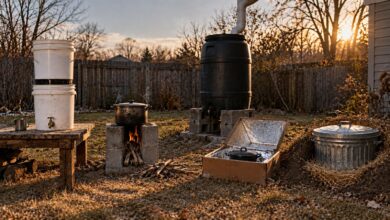
After a flood, assume the tap water is unsafe until officials say it isn’t, and know how to make the water you have safe to drink. When the city water system is down, a way to pull clean water out of thin air is the kind of backup the old-timers never had.
Hurricanes: You Usually Get Warning, So Use It
Hurricanes give you days of warning, which means there’s no excuse to be caught unready.
Before: protect your windows with storm shutters or pre-cut plywood. Fill your car’s gas tank and get cash, since card machines and pumps need power. Stock at least two weeks of water, food and medicine, and fill the bathtub with water for flushing and washing.
During: if officials order an evacuation for your zone, go. If you stay, shelter in an interior room away from windows, and don’t go outside when the eye passes over. The back side of the storm is coming.
For families who stay, the house itself becomes the lifeline. Knowing how to keep heat in, stretch your supplies and run your home for weeks without the grid is what turns a dangerous week into a hard but manageable one. You can read more in our guide on how to stay safe during hurricane season.
Earthquakes: No Warning at All
Earthquakes strike without warning, and in a city most injuries come from falling objects, not collapsing buildings.
Before: strap tall furniture, bookcases and water heaters to the wall. Move heavy things to low shelves. Keep sturdy shoes and a flashlight by every bed, since broken glass is everywhere after a quake.
During: drop, cover and hold on. Drop to your hands and knees, get under a sturdy table or desk, and hold on until the shaking stops. Don’t run outside during the shaking.
After: expect aftershocks. Check for gas leaks; if you smell gas, get out and shut off the gas only if you know how. Stay away from damaged buildings.
When Someone Gets Hurt
After a major disaster, the 911 system can be overwhelmed for hours. Cuts from glass, broken bones and crush injuries are common, and help may not come quickly.
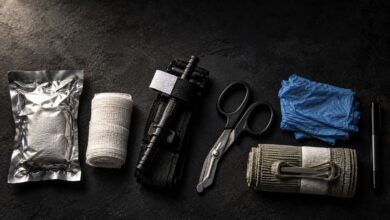
What to do: keep a real first aid kit with gauze, a tourniquet and splints, and learn how to use it before the day you need it. Knowing what to do first when 911 is 40 minutes out can keep a bad injury from becoming a tragedy.

The City Kit Every Family Needs
Whatever your city faces, the basic kit is the same. Build it once, keep it where you can grab it, and check it twice a year.
- Water: at least one gallon per person per day for two weeks.
- Food that needs no cooking or little cooking.
- Medications: a week’s supply at minimum. Ask your doctor about keeping a little extra.
- Light and power: flashlights, spare batteries, and a battery or hand-crank radio.
- First aid kit, dust masks, work gloves and sturdy shoes.
- Copies of documents, cash in small bills, and a paper list of phone numbers.
- A smaller go-bag in the car and at work.
Your Neighbors Are Your First Responders
In every big disaster, the first people to pull survivors from rubble or check on the elderly aren’t firefighters. They’re neighbors.
What to do: get to know the people on your block or in your building. Find out who’s elderly, who has medical training, and who has a generator or tools. Agree to check on each other. In a city, a few people who look out for each other are worth more than any gear you can buy.
My grandfather didn’t trust cities, but he trusted his neighbors, and he never waited for someone else to take care of his family. If you want that mindset turned into a plan for the home you already have, A Navy SEAL’s Bug-In Guide does exactly that. Check it out here.